Discover the Crucial Role of Protein in Building and Repairing Muscle
Uncover the Benefits of Protein for Effective Muscle Recovery and Growth
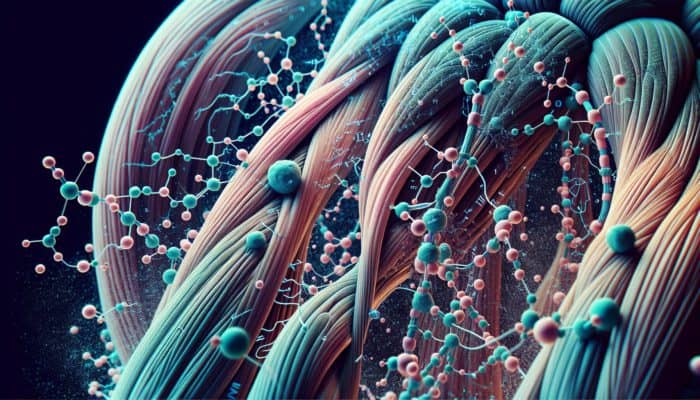
Protein is a fundamental component in the intricate processes of muscle repair and growth, acting as the essential building block of muscle tissue. Following intense exercise, muscle fibers often experience micro-tears, making the role of protein crucial for recovery and the reconstruction of these fibers. This not only increases muscle mass but also significantly enhances overall strength. The primary advantages of integrating protein into your muscle-building regimen include:
- Speeding up muscle recovery after demanding workouts.
- Promoting enhanced muscle hypertrophy via effective muscle protein synthesis.
- Improving performance in future training sessions.
- Assisting in the prevention of muscle catabolism during times of caloric deficit.
Incorporating sufficient protein into your daily nutrition not only supports recovery but also prepares your body for upcoming workouts. This cyclical benefit guarantees that your muscle gains are sustainable, fostering continuous improvements in both strength and size. The pivotal role of protein in muscle development cannot be overstated; it is the very foundation of muscle growth and enhancement.
How Much Protein Do You Need Daily for Optimal Muscle Growth?
Establishing your daily protein requirements is essential for maximising muscle growth and ensuring efficient recovery. Various factors, including body weight, physical activity levels, and specific fitness goals, play significant roles in determining how much protein your body requires. Typically, individuals with active lifestyles aiming to increase lean muscle should target a protein intake ranging from 1.6 to 2.2 grams per kilogram of body weight.
For instance, someone weighing 70 kg should strive for approximately 112 to 154 grams of protein each day. It's crucial to assess your individual circumstances; those engaged in high-intensity training programmes may need even greater protein intake. Moreover, distributing protein consumption evenly throughout the day can optimise its benefits, further facilitating continuous muscle repair and growth.
Which Protein Sources Are Most Effective for Promoting Muscle Gain?
When selecting protein sources, prioritising quality is just as essential as quantity. High-quality protein sources supply the necessary essential amino acids crucial for muscle repair and growth. Incorporating a diverse array of protein options into your diet is vital to ensure a well-rounded nutrient intake. The most beneficial protein sources for muscle gain include:
- Lean meats, such as chicken, turkey, and lean cuts of beef.
- Fish, especially fatty varieties like salmon and tuna, which are well-known for their omega-3 fatty acids.
- Eggs, celebrated for their complete amino acid profile and versatility in meals.
- Plant-based proteins like legumes (lentils, beans), tofu, tempeh, and quinoa.
Choosing protein sources that align with your dietary preferences and lifestyle can significantly enhance your muscle-building journey. Whether you're following a meat-inclusive or vegetarian diet, a wealth of nutritious options are available globally, from the bustling markets of Thailand featuring tofu and legumes to organic farms in Italy providing fresh eggs and poultry.
Insights from Experts on Effectively Building Lean Muscle with Protein

Which Types of Protein are Most Effective for Muscle Development?
Different types of protein can significantly influence muscle-building outcomes. Whey protein, renowned for its rapid absorption, is especially beneficial for post-workout recovery, as it quickly delivers essential amino acids to the muscles. In contrast, casein protein digests slower, providing a sustained release of amino acids, making it ideal for overnight muscle recovery and repair.
Plant-based proteins, derived from legumes and nuts, can also be highly effective when consumed in sufficient amounts. For instance, athletes adhering to a vegan diet can combine different protein sources—like rice and beans—to ensure a complete amino acid profile. Consider your dietary preferences and workout schedule when selecting your protein source; specific scenarios may require a blend of whey and casein or a combination of plant-based proteins to optimise muscle growth.
How Does the Timing of Protein Intake Affect Muscle Growth?
The timing of your protein consumption can greatly enhance muscle protein synthesis, particularly in relation to your exercise routines. Consuming protein both before and after your workouts can accelerate recovery rates and effectively stimulate muscle growth. Aim to enjoy a protein-rich meal or snack within 30 minutes to two hours following your workout.
Implementing a structured approach can optimise the timing of your protein intake. Here are some actionable strategies to consider:
- Consume a protein-rich snack or shake immediately after your workout.
- Plan meals that include protein before and after training sessions.
- Incorporate protein into your breakfast to kickstart muscle recovery early in the day.
- Adjust protein intake before bedtime to aid overnight muscle repair.
By strategically timing your protein consumption, you can maximise recovery and muscle growth, ensuring that each workout effectively contributes to your overall fitness goals.
How to Combine Protein with Other Nutrients for Maximum Effectiveness
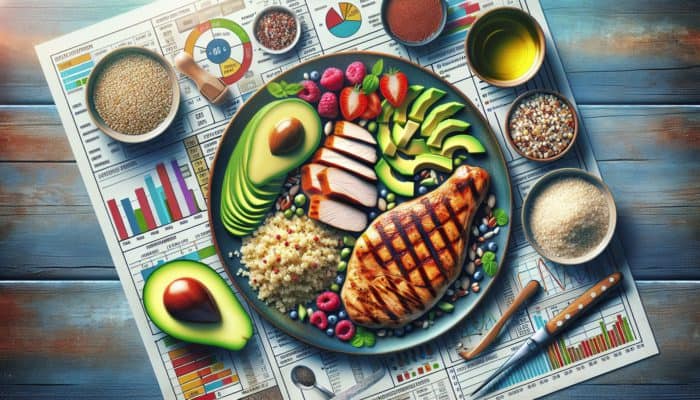
Achieving optimal muscle growth necessitates more than just protein; it's crucial to combine it with carbohydrates and healthy fats, which are essential for effective recovery and comprehensive nutrition. Carbohydrates restore depleted glycogen stores from workouts, while fats are vital for hormone production, which is essential for muscle growth.
Finding the right balance in your meals can significantly enhance your muscle-building efforts. For example, aim to include a combination of protein-rich foods, complex carbohydrates, and healthy fats. A post-workout meal could consist of grilled chicken (protein), quinoa (carbohydrate), and avocado (healthy fat). Strive to prepare meals that are not only rich in protein but also well-rounded, as this will promote recovery and muscle growth.
Understanding How Protein Contributes to the Development of Lean Muscle
What Are the Mechanisms Through Which Protein Facilitates Muscle Synthesis?
Protein plays a critical role in muscle synthesis by supplying amino acids, the essential building blocks of muscle tissue. Upon ingestion, protein breaks down into amino acids that are pivotal in muscle protein synthesis (MPS)—the process responsible for repairing and building new muscle tissue. This cycle is crucial for individuals seeking to increase their lean muscle mass, as it highlights the fundamental aspects of muscle recovery and growth.
Understanding the mechanisms that govern a protein's role in muscle synthesis can empower individuals to refine their dietary choices. The stimulation of MPS occurs in response to resistance training in conjunction with adequate protein intake, which together foster muscle adaptation and hypertrophy. By ensuring a sufficient protein supply, you promote a favourable balance between muscle protein synthesis and breakdown, which is vital for muscle growth.
How Does Protein Quality Influence Muscle Development?
The quality of the protein consumed significantly impacts muscle development. High-quality proteins, often referred to as complete proteins, contain all nine essential amino acids necessary for muscle repair and growth. Generally, animal-based proteins, such as meat, fish, and dairy, are deemed complete, whereas many plant-based proteins may lack one or more essential amino acids.
To maximize muscle-building efforts, prioritising high-quality protein sources is essential. For example, combining various plant proteins can create a complete amino acid profile, facilitating effective muscle development. By acknowledging the significance of protein quality, individuals can make informed dietary choices that effectively support their fitness goals.
How Does Protein Prevent Muscle Breakdown?
Consuming adequate protein is vital for preventing muscle catabolism, particularly during periods of caloric deficit or intense training. Muscle breakdown can occur when the body lacks the necessary nutrients to sustain physical activity, leading to a decrease in lean muscle mass.
By ensuring sufficient protein intake, individuals can protect against muscle catabolism and promote an anabolic state. Protein not only assists in recovery but also provides the necessary substrates for maintaining muscle tissue. Regularly including protein-rich foods in your diet can help prevent muscle loss, ensuring that your hard-earned gains are preserved.
Implementing Effective Strategies to Incorporate Protein into Your Diet
How to Strategically Plan Meals for High Protein Consumption
To achieve your muscle-building objectives, meticulous meal planning is essential to ensure you meet your daily protein requirements. Developing a high-protein meal plan involves selecting appropriate foods and balancing them with other crucial nutrients. Here are some meal planning tips to help you maintain a protein-rich diet:
- Include a source of protein in every meal, such as eggs for breakfast or chicken for lunch.
- Prepare high-protein snacks, such as Greek yogurt or protein bars, for convenient nutrition on the go.
- Batch-cook protein-rich meals for easy access throughout the week.
- Experiment with different protein sources to keep meals exciting and diverse.
Strategically planning your meals not only assists you in reaching your protein goals but also supports overall dietary balance. Consider integrating local culinary traditions that highlight protein-rich foods into your diet, facilitating seamless incorporation.
How to Effectively Use Protein Supplements
Protein supplements can be a valuable addition to your diet, especially if you're struggling to meet your protein needs through whole foods alone. Supplements, such as whey protein powder or plant-based protein blends, can help bridge the gap between your protein requirements and actual intake.
To utilise protein supplements effectively, consider your fitness objectives. If your goal is muscle gain, select a supplement with a higher protein concentration. If maintenance is your focus, a more balanced approach may be preferable. Additionally, timing your supplement intake—such as immediately after workouts—can enhance its effectiveness, promoting muscle recovery and growth.
What Are the Best Practices for Distributing Protein Throughout the Day?
Evenly distributing protein intake throughout the day is a strategy that can optimise muscle protein synthesis. Instead of consuming a large amount of protein in a single meal, aim for consistent protein intake at each meal and snack.
Research indicates that consuming 20-30 grams of protein per meal can effectively stimulate muscle protein synthesis, making it easier to achieve your total daily protein goals. For example, a daily eating schedule could incorporate 30 grams of protein at breakfast, lunch, and dinner, supplemented with protein-rich snacks throughout the day. This balanced approach not only supports muscle growth but also helps maintain energy levels and promote overall well-being.
How to Choose High-Quality Protein Sources
Selecting high-quality protein sources is essential for optimal nutrition and health benefits. Focus on incorporating a diverse selection of protein-rich foods into your diet. Lean meats, fish, eggs, and dairy products represent excellent protein sources, while plant-based options like legumes, tofu, and quinoa also provide essential amino acids.
Prioritising quality over quantity can significantly impact your muscle-building journey. For instance, opting for wild-caught fish can offer additional nutrients such as omega-3 fatty acids, which are beneficial for reducing inflammation. By making informed choices about your protein sources, you can enhance your overall health while effectively supporting muscle development.
How to Adjust Protein Intake According to Different Life Stages?
As we transition through various life stages, our protein requirements evolve. Whether due to growth spurts in adolescence, the demands of pregnancy, aging, or rigorous athletic training, understanding these shifts can assist you in adjusting your protein consumption for optimal health and performance.
For instance, adolescents may require higher protein intake to support growth, while older adults often need increased protein to combat age-related muscle loss. Similarly, pregnant women typically need additional protein for fetal development. By modifying your protein intake according to these life stages, you can ensure your body receives the necessary support, ultimately contributing to lasting health and vitality.
What Are the Benefits of Building Lean Muscle Through Protein?
Experience Enhanced Physical Performance and Strength
Building lean muscle through adequate protein intake can dramatically improve your physical performance and overall strength. An increase in muscle mass correlates with enhanced power output, endurance, and athletic capability. Whether you are a competitive athlete or someone who engages in recreational fitness, lean muscle provides the strength necessary for daily activities and sports.
Moreover, as strength increases, so does confidence, which encourages greater participation in physical activities. This positive feedback loop fosters a commitment to fitness, which is essential for maintaining a healthy lifestyle. As you grow stronger, you'll find that daily tasks become easier, which contributes to an improved quality of life.
Improve Your Body Composition and Metabolism
Lean muscle mass plays a crucial role in enhancing both body composition and metabolic rate. An increase in muscle mass leads to a higher basal metabolic rate (BMR), meaning your body expends more calories even while at rest. This metabolic boost aids in weight management and fat loss, simplifying the process of maintaining a healthy weight.
Furthermore, the thermic effect of protein—where the body expends energy digesting and metabolising protein—further supports effective weight management. By concentrating on building lean muscle through sufficient protein intake, you establish a sustainable approach to achieving and maintaining your desired body composition, which ultimately enhances your overall health and fitness.
Discover Long-Term Health Benefits Linked to Muscle Mass
Maintaining lean muscle mass is associated with numerous long-term health benefits. Research indicates that increased muscle mass correlates with improved bone health, reduced injury risk, and enhanced longevity. Muscle mass supports your skeletal structure, acting as a protective barrier against conditions such as osteoporosis and fractures.
Additionally, a higher muscle mass can enhance insulin sensitivity, reducing the risk of chronic diseases like type 2 diabetes. By prioritising protein for muscle growth, you not only cultivate immediate fitness benefits but also lay the groundwork for long-term health and well-being.
Accelerate Recovery and Minimise Injury Risks
The significance of protein in muscle repair and growth cannot be overstated. Adequate protein intake accelerates recovery time and diminishes injury risks, which is crucial for maintaining consistent training and performance. Protein plays a vital role in repairing micro-tears sustained during workouts, ensuring that you recover stronger and are ready for your next training session.
Moreover, a well-nourished body is better equipped to manage the demands of intense training. By including protein-rich foods in your diet, you can help safeguard against injuries, allowing you to train consistently and achieve your fitness goals.
Research-Backed Insights on the Advantages of Building Lean Muscle with Protein
How Does Protein Intake Affect Muscle Recovery?
Protein intake is a key factor in muscle recovery, as it provides the body with essential amino acids required for repairing and rebuilding muscle tissue. Studies indicate that individuals who consume adequate protein after exercise experience quicker recovery times compared to those with insufficient intake.
Recovery extends beyond merely repairing damaged muscle fibres; sufficient protein intake also aids in replenishing energy stores and minimising muscle soreness. This aspect is particularly critical for athletes and fitness enthusiasts, as effective recovery leads to a greater capacity to train intensely and improve performance over time.
What Is the Role of Protein in Muscle Hypertrophy?
Protein is fundamental for muscle hypertrophy, which refers to the increase in muscle size. Research suggests that a higher protein intake correlates with greater muscle growth in response to resistance training. Consuming approximately 1.6 to 2.2 grams of protein per kilogram of body weight has been shown to maximise hypertrophic responses.
The anabolic effects of protein contribute to stimulating muscle protein synthesis, thereby promoting muscle growth. For those committed to building lean muscle, prioritising protein intake within this range is essential for achieving optimal results.
What Does Science Reveal About Protein and Muscle Maintenance?
Maintaining muscle mass is vital for both aesthetic and health-related purposes. Scientific evidence underscores the importance of consistent protein intake in preserving muscle tissue, particularly as individuals age. The natural decline in muscle mass, known as sarcopenia, can lead to decreased strength and functionality.
By ensuring adequate protein consumption, older adults can counteract this decline and sustain their quality of life. Regularly including protein-rich meals throughout the day can be a key strategy in preserving muscle mass and promoting overall health as we age.
Dispelling Common Myths About Protein and Muscle Building
Addressing the Misconception of Excessive Protein Intake
A prevalent misconception regarding protein consumption is that excessive intake automatically leads to muscle gain or could result in negative health effects, such as kidney damage. In reality, the body requires a balanced intake of nutrients. While considerable debate exists surrounding optimal protein levels, it is essential to recognise that the body can effectively process substantial amounts of protein when balanced with other vital nutrients.
Moderation and balance are critical; consuming protein beyond your body's needs may not yield additional benefits and can result in unnecessary caloric intake. Focusing on overall dietary balance will be more advantageous than fixating on any single macronutrient.
What Is the Truth About Protein Timing and Muscle Building?
While protein timing has garnered significant attention, it is not as crucial as the total amount of protein consumed over the course of the day. Although consuming protein around workout times can be beneficial, the overall protein intake throughout the day is what truly matters. Prioritising a consistent and adequate protein intake is the most effective means to promote muscle growth.
Evaluate your daily routine and identify opportunities to integrate protein into your meals and snacks, ensuring that your total intake aligns with your fitness aspirations.
Can Plant-Based Protein Be Just as Effective as Animal-Based Protein?
Plant-based protein can indeed be as effective for muscle building as animal-based protein, provided it is consumed in adequate quantities and with variety. Many plant-based proteins, derived from legumes, nuts, and seeds, can deliver the essential amino acids necessary for muscle synthesis.
By thoughtfully combining plant proteins—such as rice and beans or lentils and quinoa—you can achieve a complete amino acid profile, offering the same muscle-building advantages as animal-based proteins. Regardless of whether you opt for a plant-based or animal-based diet, the critical factor is ensuring your protein intake meets your individual requirements.
Practical Strategies for Enhancing Protein Intake for Muscle Growth
What Are Simple Ways to Increase Your Daily Protein Consumption?
Incorporating more protein into your daily diet can be both simple and enjoyable. Here are some practical tips to effectively boost your protein intake:
- Add Greek yogurt or cottage cheese to your breakfast or enjoy them as a snack.
- Include a protein source in every meal, such as chicken, fish, or tofu.
- Mix protein powder into smoothies or oatmeal for an easy way to increase your protein intake.
- Choose high-protein snacks, like nuts, jerky, or protein bars, to keep you satiated throughout the day.
By implementing these straightforward strategies into your daily routine, you can raise your protein intake without feeling overwhelmed or restricted.
How to Balance Protein with Other Macronutrients
To support overall health and muscle growth, balancing protein intake with carbohydrates and fats is essential. Each macronutrient serves a distinct function in the body; carbohydrates provide energy, while healthy fats support hormone production and nutrient absorption.
Aim to create meals that incorporate all three macronutrients. For example, a meal consisting of grilled salmon (protein), quinoa (carbohydrate), and sautéed vegetables (fibre and nutrients) ensures a well-rounded nutritional profile. By focusing on balance, you can promote muscle growth while maintaining overall health.
How to Tailor Protein Intake Based on Your Fitness Goals
Customising your protein intake according to your specific fitness objectives is crucial for success. Individuals aiming to gain muscle may need to increase their protein intake to support muscle hypertrophy, while those focused on maintenance may require slightly less.
Regularly reassessing your protein needs based on training intensity and personal goals will help optimise your dietary strategy. Consider keeping a food diary to monitor your protein intake and make necessary adjustments as your objectives evolve.
How to Time Your Protein Intake for Optimal Muscle Recovery
Maximising muscle recovery depends on the timing of your protein consumption. Consuming protein shortly after workouts can help replenish the amino acids needed for repair and growth. Aim for a protein-rich post-workout meal or snack within 30 minutes to two hours after exercising.
Additionally, consider incorporating protein before bedtime to support overnight recovery. This approach can be particularly beneficial for individuals engaged in intense training regimens, ensuring your body remains in an anabolic state even during rest.
How to Select High-Quality Protein Sources for Muscle Building
High-quality protein sources are integral to effective muscle building. Focus on choosing lean meats, fish, eggs, and dairy products as reliable protein sources. Plant-based proteins, such as beans, lentils, and tofu, also provide excellent alternatives for those following vegetarian or vegan diets.
Emphasising quality over quantity is crucial for maximising muscle synthesis. Aim to diversify your protein sources to ensure comprehensive nutrient intake that supports overall health and performance. Incorporating locally sourced foods rich in protein can enhance your diet while honouring cultural culinary practices.
Frequently Asked Questions
What is the recommended protein intake for muscle building?
To optimise muscle building, aim for 1.6 to 2.2 grams of protein per kilogram of body weight daily, adjusting based on your activity level and specific goals.
Is protein powder necessary for muscle growth?
Protein powder is not essential but can serve as a convenient means to meet protein needs, especially if whole food sources are insufficient.
Can I effectively build muscle on a plant-based diet?
Yes, building muscle on a plant-based diet is feasible by consuming a variety of protein sources to ensure you acquire all essential amino acids.
When is the ideal time to take protein supplements?
Take protein supplements post-workout to facilitate recovery, but you can also consume them throughout the day to meet overall protein goals.
How can I determine if I'm consuming enough protein?
Keeping a food diary and tracking your protein intake can assist you in assessing whether you're meeting your daily requirements for muscle growth.
Is it possible to consume too much protein?
Excessive protein intake may not lead to muscle gain and can contribute to unnecessary caloric intake; thus, balance remains essential.
What are the optimal protein sources for vegetarians?
Vegetarians can meet their protein needs by incorporating sources such as legumes, tofu, tempeh, quinoa, seitan, and dairy products into their diet.
Does the timing of protein intake truly matter?
While timing protein intake around workouts can be beneficial, total daily intake is more crucial for effective muscle growth.
Can a high-protein intake harm my kidneys?
For healthy individuals, a high protein intake is generally safe. However, those with pre-existing kidney conditions should consult a healthcare professional.
What role does protein play in weight management?
Protein supports weight management by increasing feelings of fullness, boosting metabolism, and preserving lean muscle mass during weight loss.
Connect with us on Facebook!
The Article Building Lean Muscle With Protein: A Comprehensive Guide appeared first on https://athleticsupplement.com
The Article Building Lean Muscle: Your Essential Protein Guide Was Found On https://limitsofstrategy.com